


















If you’ve ever opened a new lot of epoxy and noticed a slight difference in color, you’re not alone—and you’re also not necessarily looking at a problem. In fact, color variation in epoxy adhesives is common, expected, and does not affect performance when the product has passed quality control.
This blog breaks down the causes of epoxy color differences, what they mean, and why they’re not a reason for concern when using silver-filled or optical epoxies.
Why Do Epoxies Vary in Color?
Epoxy components are formulated from multiple raw materials, each of which can have natural lot-to-lot variations in shade or appearance. These differences are especially noticeable in:
- Silver-filled (Ag) electrically conductive adhesives
- Optical-grade (unfilled) epoxies
Epoxy Technology monitors color differences through rigorous quality control procedures, and only releases products that meet full performance specifications—regardless of color.
Bottom line: If it’s passed QC, the epoxy will perform as expected—even if the color looks slightly different from your last lot.
Silver-Filled Epoxies: Shiny vs. Dull—Both Are Good
For conductive silver-filled epoxies, color differences are typically due to the silver flakes or powders used in the formulation. Uncured material may appear:
- Dull silver
- Bright silver
- Shiny metallic
This variation stems from how the silver is processed, including:
- Particle size of silver powder
- Processing time and conditions
- Other batch-specific processing parameters
Each batch of silver flake is tested for conductivity and consistency before being used. Even when the visual appearance differs, the performance remains the same once the product passes QA standards.
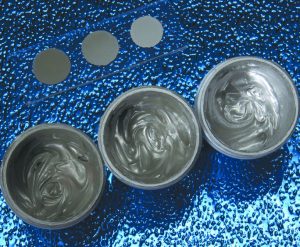
Three Color Variations in Uncured Silver Epoxies
Optical Epoxies: Understanding Yellow Tint Variations
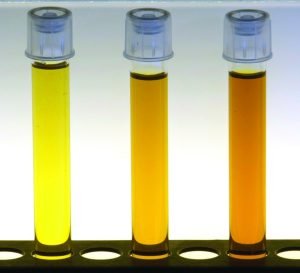
Unfilled, optical-grade epoxies can also show color variation, particularly in yellowness. This is measured using the Gardner Liquid Color Standards—a one-dimensional color scale ranging from:
- 1 = Lightest (nearly colorless)
- 18 = Darkest (deep yellow/orange)

Even when the same raw material is used, it can fall anywhere within this acceptable Gardner range from lot to lot. As long as the material stays within these specifications, performance remains unchanged.
Key Takeaway
Color differences in epoxy are cosmetic—not functional.
As long as the product is approved by Epoxy Technology’s Quality Assurance team, color variation does not indicate any change in:
- Adhesion strength
- Electrical conductivity
- Optical clarity
- Cure behavior
- Shelf life
Conclusion
It’s natural to wonder if a new epoxy batch looks “off.” But rest assured: color variation is expected and acceptable.

Still have concerns about your epoxy’s appearance?
Contact our technical team at techserv@epotek.com.