

















Brand Introduction
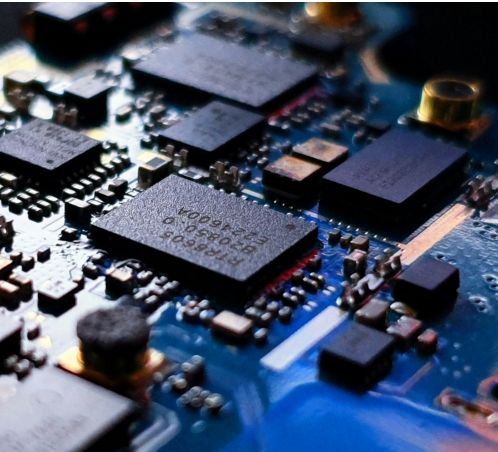
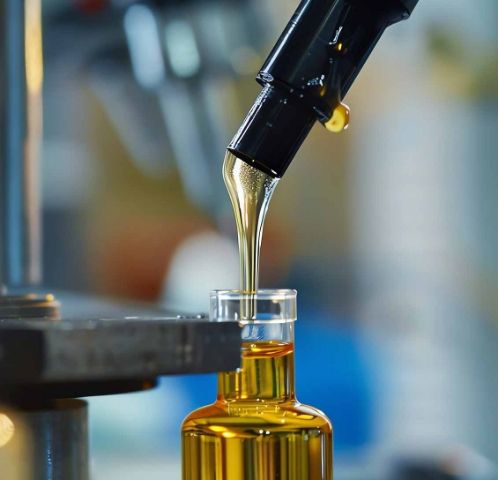
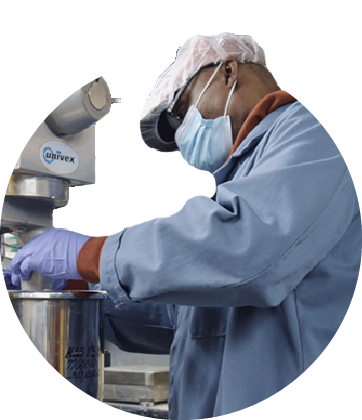
With over 50 years of experience, ETI’s EPO-TEK® line is renowned for its exceptional bonding strength, thermal and electrical conductivity, and resilience in extreme conditions.
Offering a diverse range of commercial formulations and custom solutions, EPO-TEK® meets the rigorous standards required by advanced industries. ETI combines cutting-edge technology with customer-focused service, empowering manufacturers with adhesive solutions that drive performance and reliability in critical applications.




Product Search

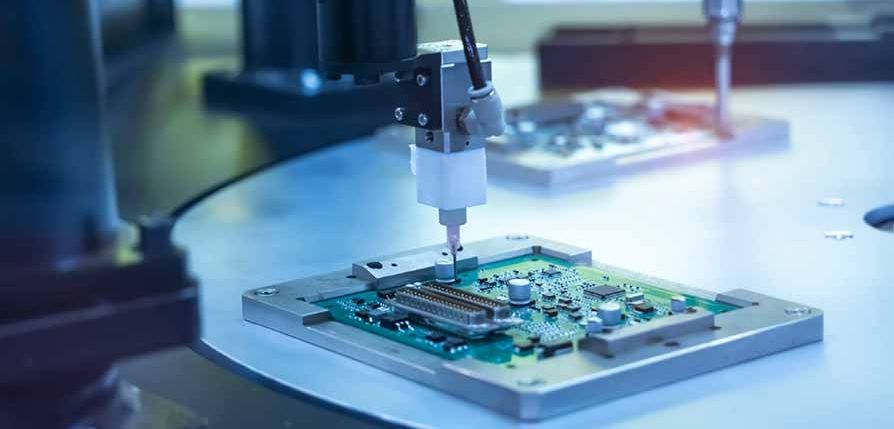
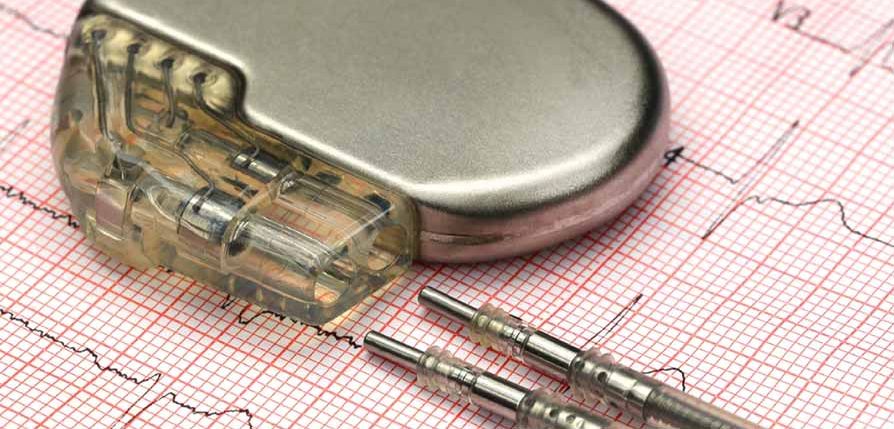
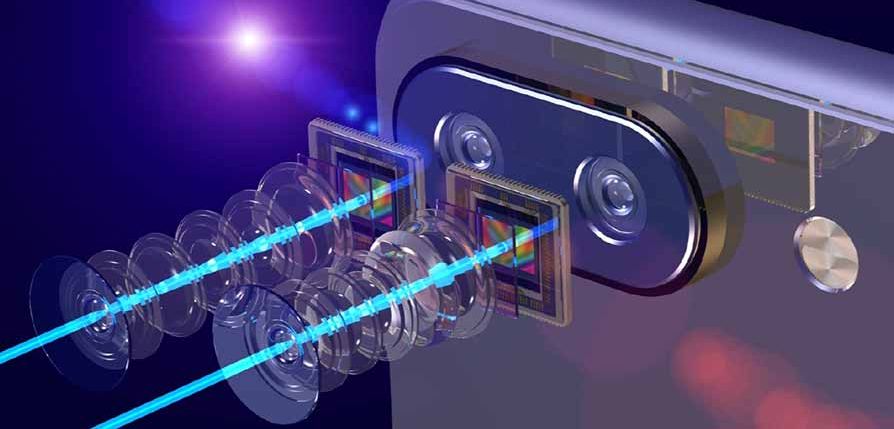


Capabilities
Epoxy Technology, Inc. offers comprehensive capabilities in product development, expert technical support, and flexible packaging solutions to meet specific customer needs across high-demand industries.

Product Development
ETI’s EPO-TEK® line offers numerous formulations and custom options, addressing unique bonding, thermal, and electrical requirements in diverse applications.
Technical Expertise
ETI’s skilled team provides hands-on support, collaborating with clients to ensure optimal adhesive performance and reliability for specialized applications.
Product Packaging
EPO-TEK® adhesives are available in a range of convenient packaging formats, from pre-mixed frozen syringes to bulk sizes, meeting specific industry requirements.


About us
Founded over 60 years ago, Epoxy Technology, Inc. (ETI) has earned a global reputation for excellence with its EPO-TEK® line of advanced adhesives. Originally created to serve the electronics and optics sectors, EPO-TEK® products quickly became essential in fields requiring high-performance bonding and conductivity, from medical devices to aerospace components.
Today, ETI provides more than 300 adhesive formulations, each designed to meet the specific needs of demanding applications. Part of the Meridian Adhesives Group, ETI remains committed to innovation, quality, and sustainability. Each EPO-TEK® adhesive undergoes stringent testing to ensure it meets industry standards, including ASTM and ISO certifications. ETI’s technical team offers hands-on support, working closely with customers to develop tailored solutions and ensure successful applications. With flexible packaging options and industry-leading warranties, EPO-TEK® by ETI continues to set the standard for epoxy technology, delivering the reliability and performance trusted by manufacturers worldwide.
Follow us



Pacific Adhesive Systems (PAS)
Established in 2004, PAS operates across Malaysia, Singapore, China, and Hong Kong, offering a comprehensive range of high-performance materials and adhesive solutions.
Their portfolio includes specialty adhesives, coatings, sealants, thermal interface materials, tapes, cleaning chemicals, and adhesive equipment solutions. Serving diverse markets such as optoelectronics, medical electronics, consumer electronics, and automotive electronics—including the rapidly emerging electric vehicle sector—PAS is committed to delivering reliable solutions tailored to the most challenging applications.
Visit PAS website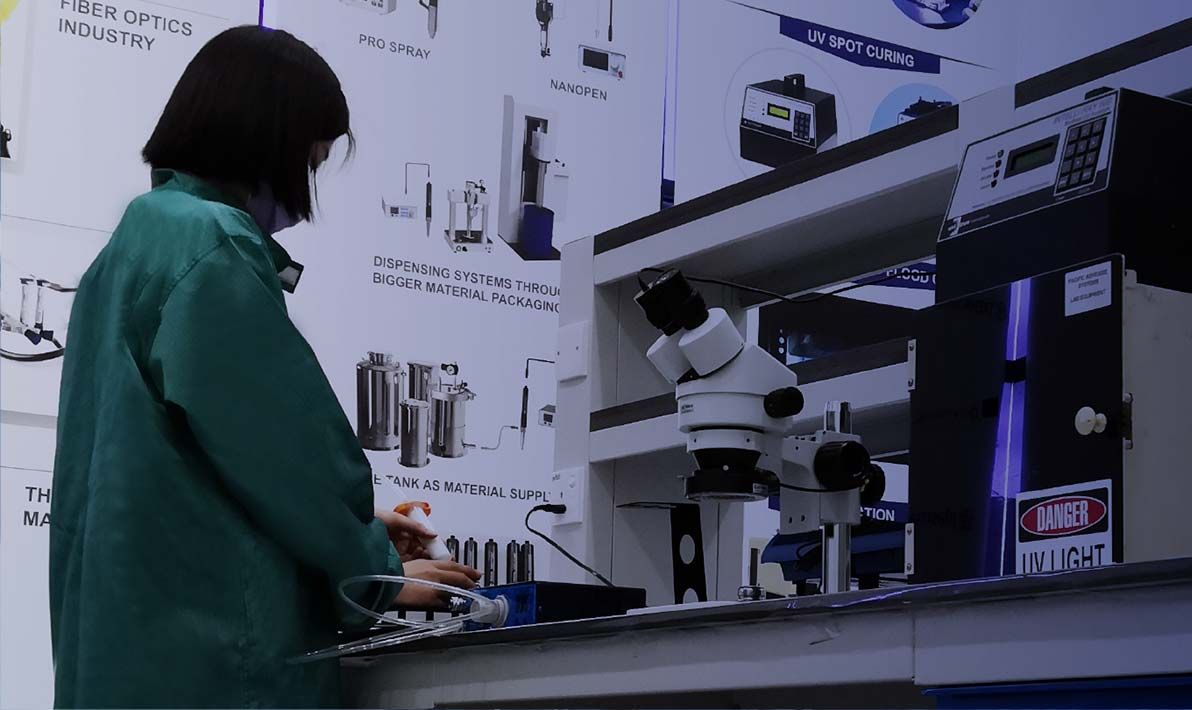
Epoxy Technology Europe
Epoxy Technology Europe meets the critical performance standards of high-tech industries worldwide, offering specialty epoxy, ultraviolet, and hybrid adhesive solutions.
Their products cater to advanced sectors including aerospace and defense, automotive (notably electric vehicles), electronics, energy production, medical, optical, and telecom. By providing high-reliability solutions and maintaining a customer-focused approach, Epoxy Technology Europe has become a trusted partner to organizations globally.
Visit website
Find an Epoxy Technology distributor
Our products are available through authorized distributors.
Authorized distributors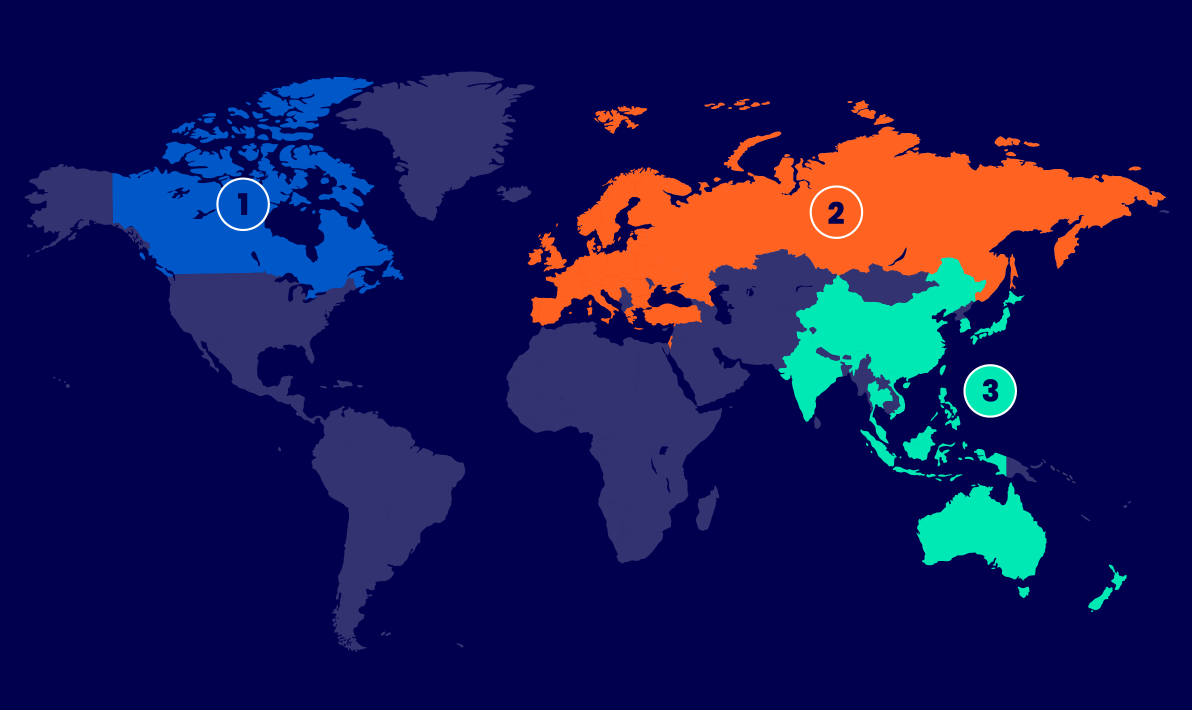
FAQs
While using an EPO-TEK® product after its stated shelf life is not recommended, expiration does not necessarily mean the material is unusable. Product performance should be evaluated before use, as properties may change over time. For guidance on evaluating expired material, please refer to EPO-TEK® Tech Tip 5.
If you have additional questions, please consult our Application Experts at (978) 667-3805 or techserv@epotek.com.
For the best results, follow the product’s recommended mixing ratio, application instructions, pot life, and cure schedule. Prepare clean, dry bonding surfaces before application, and mix two-part epoxies thoroughly to ensure a consistent blend. Proper storage, handling, and curing are essential for achieving optimal bond strength and long-term performance. Please refer to EPO-TEK® Tech Tip 1 & Tech Tip 2:
If you have additional questions, please consult our Application Experts at (978) 667-3805 or techserv@epotek.com.
The minimum bond line depends on the adhesive, substrate materials, and application requirements. While a thinner bond line is often desirable, it must still provide complete surface wetting and adequate adhesive coverage. A bond line that is too thin can reduce mechanical strength, thermal or electrical performance, and overall bond reliability. Always follow the product’s technical data sheet recommendations for your specific application. Please refer to EPO-TEK® Tech Tip 6 for more questions.
If you have additional questions, please consult our Application Experts at (978) 667-38 techserv@epotek.col
To minimize bubbles and voids, mix the epoxy slowly to reduce air entrapment, apply the adhesive carefully, and allow trapped air to escape before curing when possible. Vacuum degassing, pressure curing, or gentle warming may also improve results, depending on the adhesive and application requirements. Please refer to EPO-TEK® Tech Tip 4.
If you have additional questions, please consult our Application Experts at (978) 667-380 techserv@epotek.com.
Removing cured epoxy depends on the adhesive, substrate, and application. Common methods include applying heat to soften the material, using mechanical techniques such as scraping or grinding, or using compatible chemical removers. Always select a removal method that will not damage the underlying components or bonded surfaces. Please refer to EPO-TEK® Tech Tip 8
If you have additional questions, please contact our Application Experts at (978) 667-3805 or techserv@epotek.com.
Silver-filled epoxies are generally compatible with noble metals such as gold, silver, platinum, and palladium, as well as many common electronic substrates. Compatibility depends on the substrate’s surface finish, application environment, and performance requirements. Selecting compatible metallization helps ensure reliable electrical conductivity and long-term bond performance. Please refer to EPO-TEK® Tech Tip 12
If you have additional questions, please consult our Application Experts at (978) 667-3805 or techserv@epotek.com.
Minor variations in color or appearance between epoxy batches are normal and do not necessarily indicate a change in product quality or performance. Differences in raw material lots and manufacturing processes can result in slight visual variations while still meeting established specifications and quality standards. Please refer to EPO-TEK® Tech Tip 14
If you have additional questions, please consult our Application Experts at (978) 667-3805 or techserv@epotek.com.
A suitable mold release agent prevents cured epoxy from adhering to molds and tooling, making part removal easier and reducing the risk of damage. Silicone-based, fluoropolymer, or wax-based release agents are commonly used, but compatibility with the epoxy, mold material, and application should always be verified before use. Please refer to EPO-TEK® Tech Tip 22
If you have additional questions, please consult our Application Experts at (978) 667-3805
Glass transition temperature (Tg) is the temperature at which a cured epoxy changes from a rigid, glass-like state to a softer, more flexible state. Understanding Tg is important because it affects an adhesive’s mechanical strength, thermal stability, and long-term performance, particularly in applications exposed to elevated temperatures. Please refer to EPO-TEK® Tech Tip 23
If you have additional questions, please consult our Application Experts at (978) 667-3805 or techserv@epotek.com.
No. EPO-TEK® H20E is a two component, heat curing epoxy that requires a minimum of 80°C to cure properly.
If you have additional questions, please consult our Application Experts at (978) 667-3805 or techserv@epotek.com
No. EPO-TEK® 353ND is a two component, heat curing epoxy that requires a minimum of 80°C to cure properly.
If you have additional questions, please consult our Application Experts at (978) 667-3805 or techserv@epotek.com.
This is likely a super-therm or large exotherm. Please refer to EPO-TEK® Cure Matters for cure profile recommendations.
If you have additional questions, please consult our Application Experts at (978) 667-3805 or techserv@epotek.com.
Ketones and alcohols are best for cleaning wet epoxy.
If you have additional questions, please consult our Application Experts at (978) 667-3805 or techserv@epotek.com.
Yes – please contact our Application Experts to discuss options: (978) 667-3805.
Yes, but we choose products by application first in addition to matching performance properties stated on competitors’ data sheets.
Please consult our Application Experts at (978) 667-3805 or techserv@epotek.com to discuss your specific requirements.
The main difference between the 2.5 W/mK and 29 W/mK thermal conductivity values listed on the data sheet for EPO-TEK® H20E is test method. The first value of 2.5 W/mK wa: measured using our standard laser flash test equipment, in accordance with ASTM E1461.
This involves using a disk of material that is approximately 12.55mm in diameter and 1mm in thickness. It provides a bulk property and does not reflect the actual performance of the material in a given assembly. The second value, 29 W/mK, reflects actual measured circuit value from a power 1u-ls device. This was back calculated using the thermal resistance determined in the device with a 2mm x 2mm chip and a 75um bond line.
If you have additional questions, please consult our Application Experts at (978) 667-3805 or techserv@epotek.com.
It may be settling of the filler which can be a common phenomenon. Most of the time, the filler can be incorporated back in with some gentle mixing. It is good practice to stir a filled system before each use to ensure the filler is evenly dispersed within the epoxy matrix before using. A method for preventing this filler settling is to store the closed epoxy container on a jar roller to keep the material evenly suspended within the system.
If you have additional questions, please consult our Application Experts at (978) 667-3805 or techserv@epotek.com.
Yes. Most epoxies have a Poisson’s ratio between 0.30 and 0.35, with 0.30 commonly used as a general value for FEA modeling. Actual properties may vary by material and application.
For additional guidance, refer to EPO-TEK® Tech Tip 19
Or contact our Application Experts at (978) 667-3805 or techserv@epotek.com.
Our Meridian Electronics brand Epoxies, Etc. offers products that have been approved for UL94 V-0 rating.
If you have additional questions, please consult our Application Experts at Epoxies, Etc. at (401) 946-5564 or https://meridianadhesives.com/epoxies-etc/.
Our Quality Control department has many different types of instruments including: DSC, TGA, TMA, DMA, Instron, Microscope, Refractometer, Shore A & D Durometers, FTIR, Hegman Particle Size Analysis, MicroFlash, Dionex, Dage, Various Ovens, Conductivity Analyzer, Microtrack, pH Meter, Viscometers, Volt Meters, Gardener Liquid Color Standards and Pyconmeter.
Many of the above tests are part of our standard lot acceptance testing. Other tests may be performed as a lab service and for a fee.
We perform viscosity readings based on ASTM Test Method D2393 using a CPE 51 cone and plate on a Brookfield HBT viscometer. The sample size is 0.55cc where the material is allowed to equilibrate for 6 minutes in a water bath set at 23°C +/ – 0.1°C.
For additional information on viscosity measurements, please refer to our Epoxy Adhesive Application Guide
Our Quality Control Laboratory is an approved DSCC certified Laboratory for performing military testing related to MIL-STD 883/5011 as well as ISO 9001:2008.
Epoxy Technology’s basic guidelines for shelf life are as follows:
Room Temperature 23°C +/- 3°C
Refrigerator 5°C +/- 3°C
Freezer -40°C /+ 3°C (no minus)
Yes. We perform 100% of incoming raw material inspection that includes every drum or container, even with the same lot numbers.
Epoxy Technology performs lot acceptance testing (LAR) on each batch of product. Since we produce difference types of materials, the LAR testing is designated on each product data sheet with an asterisk.
Contact Us
Questions?
Get in touch
Speak to us on 1-978-667-3805