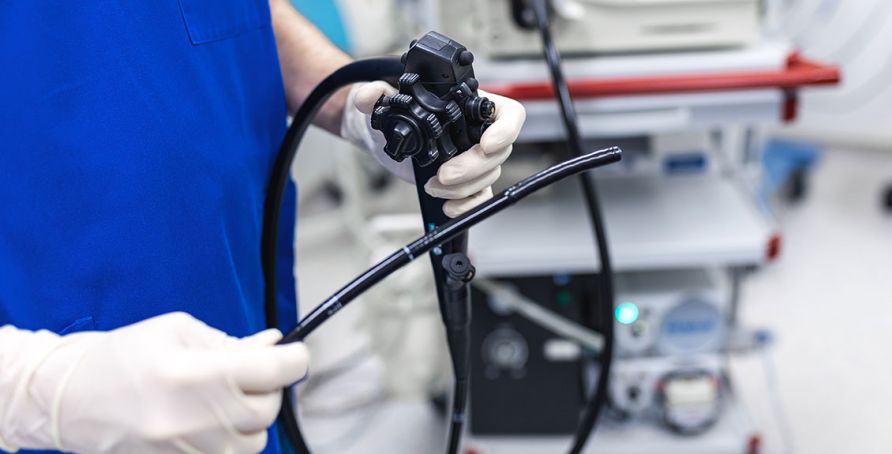









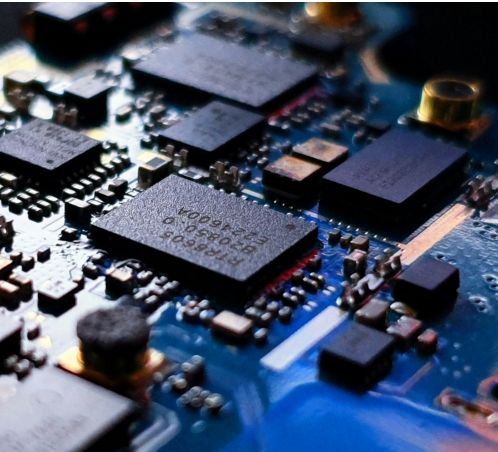

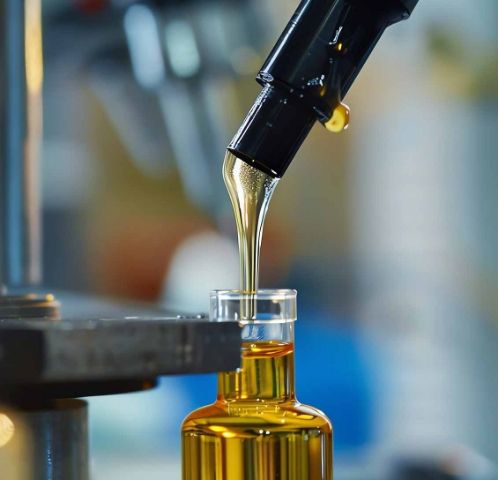







Epoxy adhesives and silicone materials are commonly used in many electronics, optical, and industrial applications. Both materials provide valuable properties—such as sealing, bonding, thermal management, and environmental protection.
However, when epoxies and silicones are used within the same assembly or manufacturing environment, unexpected interactions can occur. Understanding how these materials influence each other is critical to preventing contamination and ensuring reliable adhesive performance.
Why Epoxy–Silicone Compatibility Matters
Epoxy adhesives are often selected for their:
- Strong adhesion to a wide range of substrates
- Chemical and environmental resistance
- High mechanical strength
Silicones, on the other hand, are frequently used for:
- Encapsulation and potting
- Thermal interface materials
- Optical gels and greases
- Mold release agents
While these materials can coexist within the same system, improper handling or contamination can lead to serious bonding issues.
Key Risks When Using Epoxies and Silicones Together
When working with these two materials, engineers should be aware that:
- Silicone contamination of epoxy bonding surfaces can occur
- Epoxy chemistry may inhibit silicone curing reactions
Managing these risks by preventing cross contamination ensures that both materials perform as intended within the application.
Where Silicone Contamination Often Comes From
Silicone contamination can originate from many common materials used in electronics manufacturing.
Typical sources include:
- Silicone adhesives and encapsulants
- Optical gels and greases
- Thermal interface materials
- Mold release agents used in molded components
- Silicone oils from cable insulation or jacketing
Even trace amounts of silicone can interfere with epoxy bonding performance.
How Silicone Contamination Affects Epoxy Bonding
In many cases, silicone will not directly interfere with the curing reaction of epoxy. However, it can cause significant problems at the adhesive interface.
Silicone residues can form an ultra-thin release layer on bonding surfaces, preventing proper wetting of the epoxy adhesive.
This may lead to:
- Reduced bond strength
- Poor adhesion between substrates
- Complete adhesive bonding failure
When this happens, the failure mode often changes from cohesive failure (within the adhesive) to adhesive failure (at the substrate interface).
Epoxy Interference with Silicone Cure
The contamination can also occur in the opposite direction.
Some epoxies use amine-based curing agents, which can interfere with the curing process of certain silicones—especially addition-cure silicones that rely on platinum catalysts.
In these systems, epoxy vapors or nearby uncured epoxy may:
- Slow down silicone curing
- Leave the silicone surface tacky
- Prevent the silicone from curing entirely
This phenomenon is known as cure inhibition or catalyst poisoning.
Practical Tips for Successful Co-Use
When designing systems that use both epoxies and silicones, preventing cross-contamination is essential
- Perform epoxy and silicone processing in separate laboratories or production areas.
- Avoid shared ventilation systems between epoxy and silicone workspaces.
- Thoroughly clean parts to remove silicone-based mold release agents before bonding.
- Use dedicated curing ovens—one for epoxy materials and another for silicones.
- Review adhesive data sheets and curing chemistry before combining materials
Once fully cured, epoxies and silicones can typically exist next to each other without issue.
Following these guidelines helps ensure both materials perform reliably within the same application.
Final Thoughts
Epoxies and silicones can be used successfully in the same system—but only when engineers understand their potential interactions.
By maintaining proper handling procedures and preventing cross-contamination, manufacturers can take advantage of the unique strengths of both materials without compromising adhesive performance or reliability.

Need help selecting compatible materials or optimizing your adhesive process?
Contact our Epoxy Technology technical team at techserv@epotek.com,
Or our Epoxies, etc. technical team at sales@epoxies.com.