













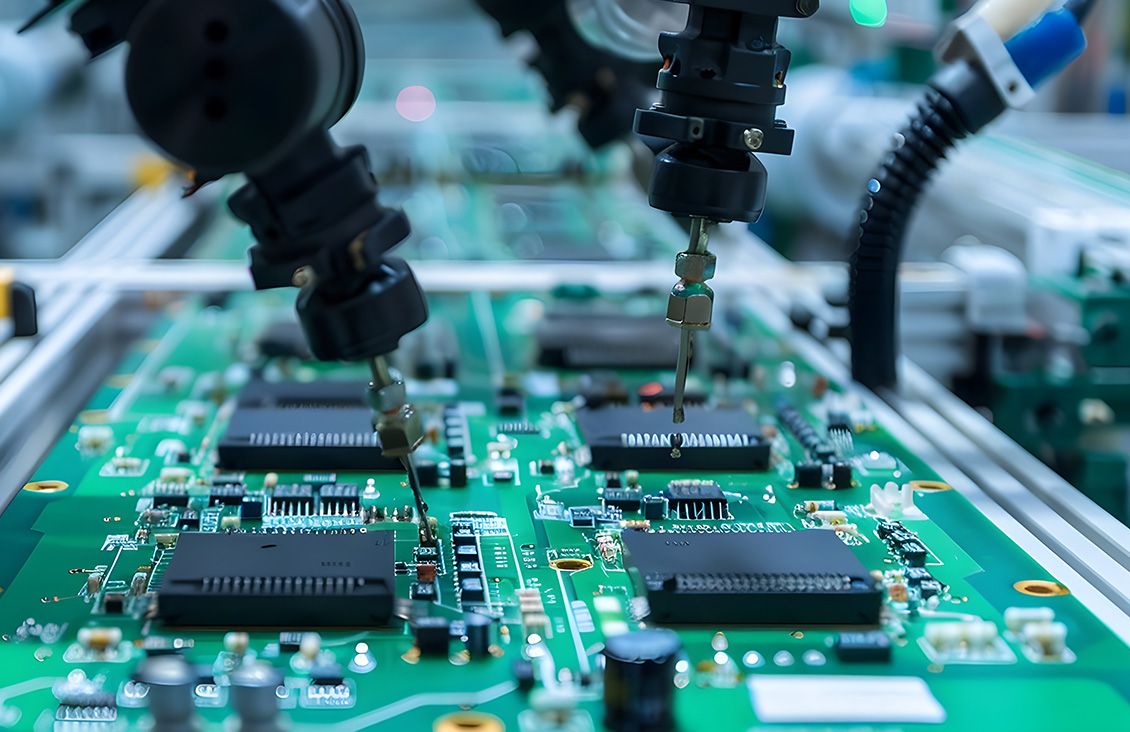
In high-volume electronics manufacturing, efficiency and process flexibility are critical. B-stage epoxy adhesives provide a unique solution by allowing manufacturers to partially cure an adhesive during one step of production and complete the curing process later.
This approach helps streamline manufacturing workflows, reduce bottlenecks, and support distributed production environments.
What Is a B-Stage Epoxy?
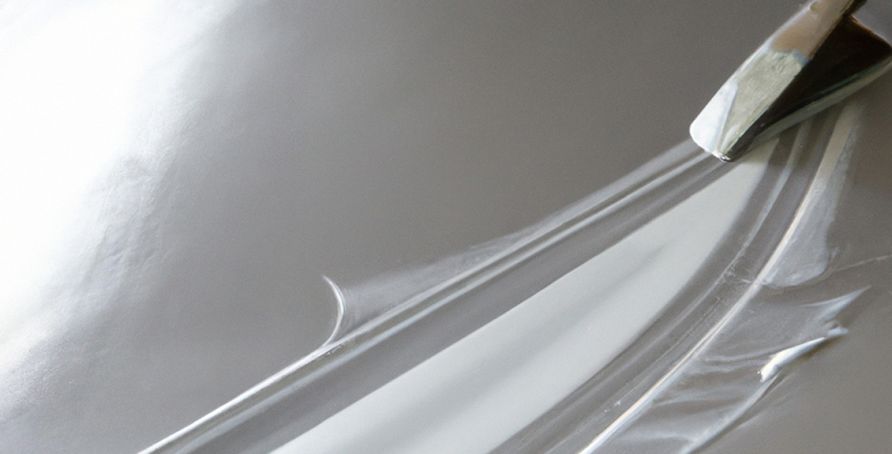
A B-stage epoxy is a one-component adhesive that uses a latent (low-reactivity) curing agent. After the adhesive is applied to a substrate, it undergoes a partial cure or “pre-dry” stage.
At this stage, the adhesive becomes tacky but not fully hardened. The bonded assembly can then be stored, transported, or assembled later before undergoing a final cure using heat and pressure.
This differs from typical thermal epoxies, which are usually cured in a single step immediately after application.
Why B-Stage Epoxies Are Important
B-stage adhesives are often selected for process and manufacturing advantages, rather than for purely material performance reasons.
Because the adhesive can be partially cured and later fully bonded, manufacturers gain greater flexibility in how and where assembly occurs.
Key Benefits of B-Stage Processing
B-stage adhesives can support several manufacturing strategies, including:
Mass Production Flexibility
Epoxy can be applied to parts one day and bonded later during final assembly.
Distributed Manufacturing
Parts can be coated with adhesive at one facility and then shipped to another location for bonding.
Contract Manufacturing
Subcontractors can pre-apply epoxy during mass production and supply pre-coated components to customers.
Reduced Manufacturing Bottlenecks
Because bonding does not need to occur immediately after adhesive deposition, production throughput can increase significantly.
Common Applications for B-Stage Epoxies
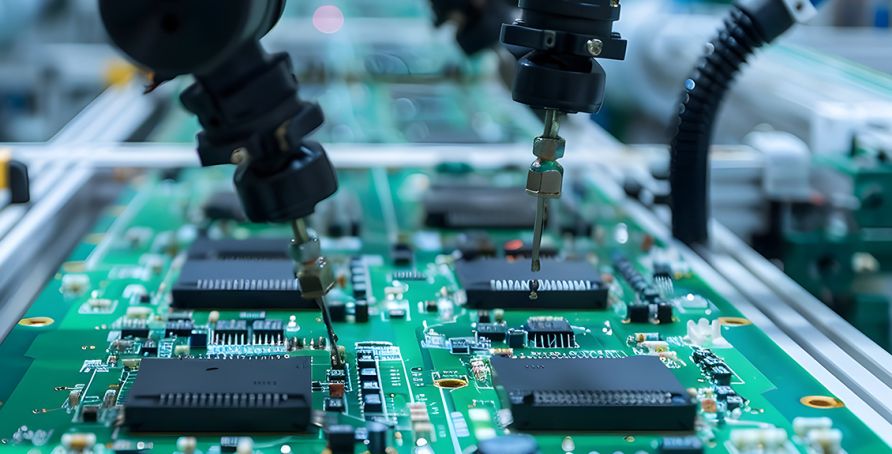
B-stage adhesives are widely used across electronics, semiconductor, and optical manufacturing.
Hybrid Microelectronics
- Sealing lids on hermetic or air-cavity packages
- Bonding substrates inside electronic housings
Semiconductor Packaging
- Flip-chip processes (on board, glass, or package)
- Wafer passivation for 3D stacking
- Wafer backside adhesives
Optical Applications
- Gasket sealing of LCD and flat-panel displays
- Mounting optical sensor windows
- Fiber optic ferrule bonding
PCB-Level Assembly
- Pre-applying epoxy to heat sinks before final assembly
Formats of B-Stage Epoxy Adhesives
- Liquids
- Pastes
These materials can be patterned or deposited onto electronic parts using methods similar to films or adhesive tapes.
- Hand application
- Dip coating
- Roller coating
- Spray coating
- Screen printing
- Stencil printing
- Pad printing
Screen and stencil printing can even achieve ultra-fine pitch patterns.
Key Processing Considerations
Avoid Over-Drying
When the adhesive is partially cured, it forms a tacky layer similar to a tape adhesive. However, if the material is over-dried, it may lose surface tack, making it more difficult to wet and bond to the second surface.
Control Adhesive Thickness
- Wet layer: up to 200–250 μm
- Dried layer: typically 10–200 μm
During the final cure process, applied pressure compresses the adhesive layer further.
For example, an LCD gasket sealing process might reduce a 9 μm dried layer to a 6 μm final bond line.
Proper Handling and Storage
- Store pre-applied adhesive parts in waffle or gel-pack trays.
- Keep B-stage adhesives and coated components at –40 °C for long-term storage.
Final Cure Considerations
The final bonding process typically involves heat and applied pressure.
For example, an optical sensor window assembly described in the tech tip used:
- 15 N pressure
- 150 °C for 15 seconds during mounting
- Followed by a post-cure at 150 °C for 30 minutes
Examples of B-Stage Epoxy Products
- B9021-15 – PCB heat sinking and structural assembly
- 131-8-1 – low-halogen enhanced adhesion products
Final Thoughts
B-stage epoxy adhesives offer manufacturers a powerful tool for improving production efficiency and assembly flexibility. By allowing partial curing during one step of the process and final curing later, these materials enable distributed manufacturing, higher throughput, and streamlined assembly workflows.
For industries such as semiconductor packaging, optoelectronics, and advanced electronics manufacturing, B-stage adhesives remain an essential solution for modern production challenges.

Need help selecting the right B-stage epoxy for your application?
Contact our technical team at techserv@epotek.com