








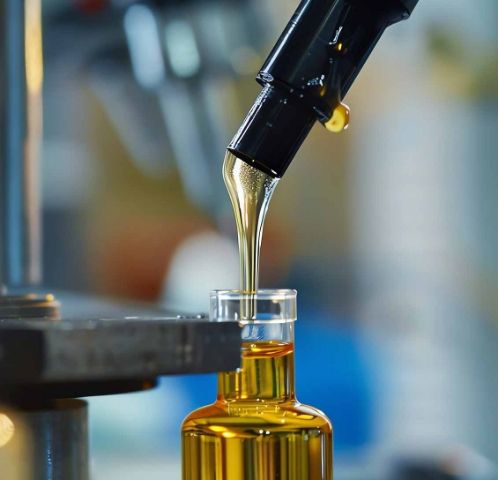



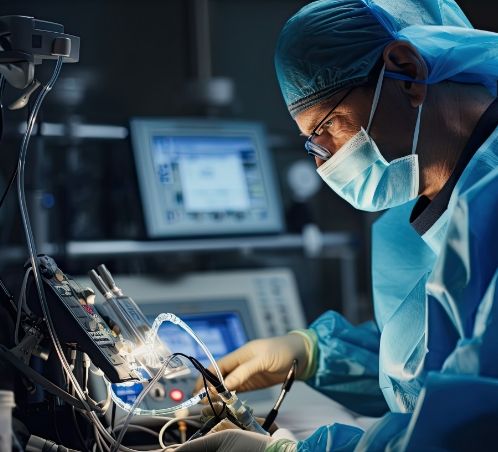

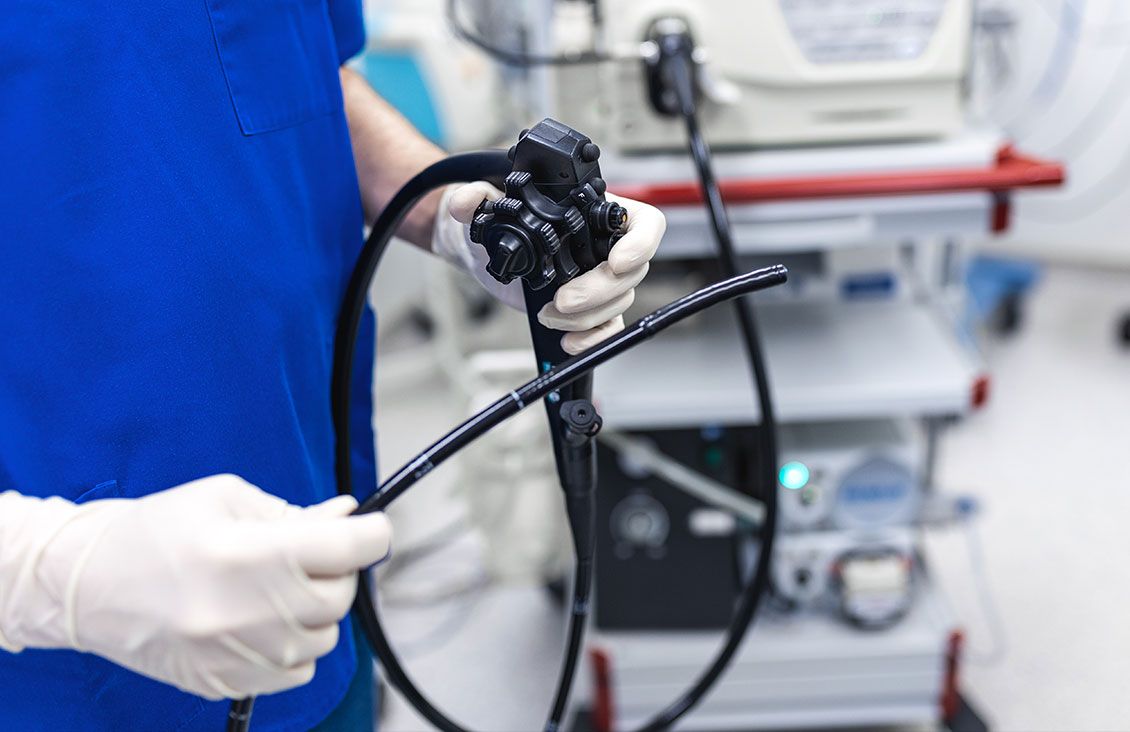
In medical device manufacturing, biocompatibility is critical. Adhesives used in these applications must meet strict standards—often verified through ISO 10993 testing. But one important factor is often overlooked: the curing schedule of the epoxy adhesive.
Even if an epoxy adhesive is certified as biocompatible, deviations in the cure process can affect whether the final assembled device meets those same requirements.
In this post, we explore how curing conditions influence biocompatibility and what manufacturers should consider when designing medical devices with epoxy adhesives.
The Core Challenge: Cure Schedule vs. Device Reality
Most epoxy data sheets specify a curing schedule under which the adhesive has been proven biocompatible. However, real-world device designs often require adjustments to the curing cycle due to:
- Temperature-sensitive plastics
- Battery components (such as lithium-ion cells)
- Other materials that limit cure temperatures
This raises an important question:
If you change the cure schedule, is the adhesive still biocompatible in the final device?
Because ISO 10993 testing is expensive and time-consuming, manufacturers typically validate only a limited number of curing conditions.
The Manufacturer’s Perspective
From the adhesive manufacturer’s standpoint, a curing schedule is typically defined by thermodynamic and mechanical properties, including:
- Exothermic energy during curing
- Glass transition temperature (Tg)
- Shear strength
- Hardness and tack-free surface characteristics
Biocompatibility, however, is not typically evaluated across multiple curing scenarios due to the complexity and cost of testing. Instead, manufacturers use conservative curing schedules with extra curing time or temperature to maximize the chances of achieving a biocompatible result.
The End User’s Perspective
Medical device manufacturers face a different challenge.
Their priority is not just a biocompatible adhesive—but a biocompatible finished device. In many cases, engineers cannot strictly follow the curing schedule listed on the adhesive data sheet due to design constraints.
Common questions include:
- What happens if the cure temperature must be reduced?
- Can curing time be extended instead of increasing temperature?
- Will the adhesive still pass ISO 10993 testing under modified conditions?
These concerns are valid, but unfortunately biocompatibility versus curing schedule is not always fully documented.
The Biggest Risk: Lower Cure Temperatures
The most common risk when using biocompatible epoxies is curing at too low a temperature.
Lower curing temperatures can lead to:
- Incomplete crosslinking
- Lower mechanical strength
- Reduced hardness and glass transition temperature
- Potentially reduced biocompatibility
This is especially relevant because many medical devices require curing below 65°C due to temperature-sensitive materials. As a result, device manufacturers often attempt to compensate by extending cure time instead of increasing temperature.
Special Considerations for UV-Curing Epoxies
UV curing introduces additional variables that must be carefully controlled.
Unlike oven curing, UV curing depends on several factors:
- Lamp type (Full Spectrum vs LED)
- Spectral output
- Optical power
- UV Equipment Configuration (Flood /Cabinet vs fiberoptic spot curing)
It’s important to follow the adhesive manufacturer’s recommended UV curing profile. Using incorrect UV parameters can result in under-cured epoxy, increasing the likelihood of failure during ISO 10993 testing.
Other Factors That Affect Biocompatibility
Beyond curing temperature and time, several other process variables can influence the final outcome.
Mixing Mass
Epoxies cure through an exothermic reaction, which is influenced by the amount of the adhesive mixture.
- Larger mix masses cure more effectively
- Mixing less than 2 grams of a two-component epoxy may lead to incomplete curing
For this reason, suppliers often recommend pre-mixed frozen epoxies to eliminate mixing errors and ensure proper curing conditions.
Staging Larger Mixes
Sometimes larger adhesive batches are intentionally prepared and staged to generate additional exothermic energy during curing. This helps ensure proper crosslinking when only microgram quantities are applied to the final device.
Environmental Conditions
Another concern is amine blush (or bloom)—a surface reaction that can occur when curing epoxies at room temperature in high humidity (>60%). This can interfere with curing and lead to performance or biocompatibility failures.
How Biocompatible Cure Schedules Are Determined
Manufacturers typically establish biocompatible cure schedules using conservative testing approaches. These schedules often include additional curing time or higher temperatures to maximize crosslinking. These schedules are selected based on polymer chemistry, historical performance data, and testing results to ensure reliable outcomes.
Epoxy Technology’s product line provides biocompatible adhesives in a variety of curing options including:
- 45°C
- 65°C
- 80°C
- 150°C
- UV-only curing
- UV + oven curing
Final Thoughts
Biocompatibility is not determined solely by the adhesive itself—it depends heavily on how the epoxy is processed and cured within the final device.
To reduce risk when designing medical devices:
- Follow the recommended cure schedule whenever possible
- Carefully evaluate any changes to temperature or curing time
- Control environmental conditions during curing
- Validate biocompatibility within the final device assembly
When in doubt, working closely with the adhesive manufacturer can help ensure the curing process and adhesive selection align with the device’s biocompatibility requirements.

Need help selecting a medical-grade epoxy or validating a curing schedule?
Contact our technical team at techserv@epotek.com.