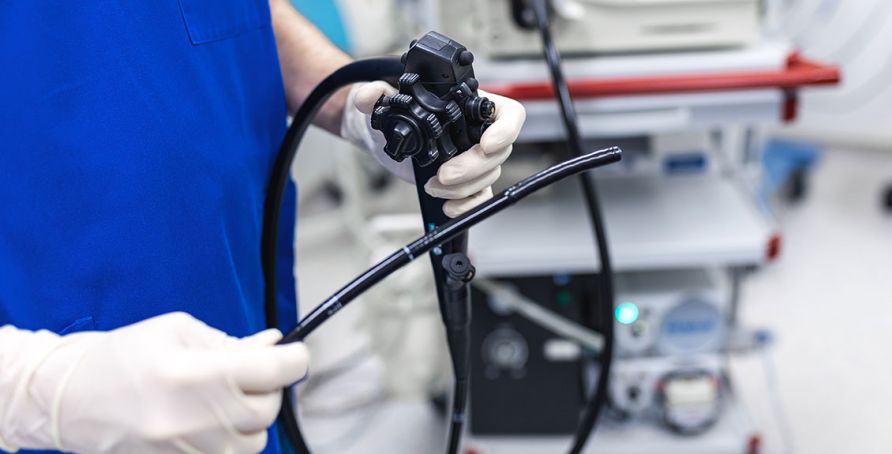















Sterilization is a critical step in the manufacturing of medical devices. Any device that comes into contact with human tissue, bodily fluids, or skin must be properly sterilized to eliminate bacteria, viruses, fungi, and other biological contaminants.
Because epoxy adhesives are widely used in medical device assemblies—from disposable products to implantable electronics—it’s important to understand how sterilization processes may affect epoxy materials.
In this post, we examine gamma sterilization, one of the most common sterilization methods, and explore how exposure to radiation can impact epoxy adhesives.
What Is Gamma Sterilization?
Gamma sterilization, also known as irradiation, uses high-energy gamma rays—typically generated from Cobalt-60—to sterilize medical devices.
It is widely used for products such as:
- Syringes
- Catheters
- Surgical tools
- Electronic medical components
Key advantages include:
- No chemical residue
- No post-process quarantine
- No induced radioactivity in the product
How Gamma Radiation Affects Epoxy Adhesives
To better understand the impact of radiation, studies have been conducted on epoxy systems such as EPO-TEK® 301 under prolonged gamma exposure.
Results show that radiation can influence epoxy properties in meaningful ways—often enhancing material performance rather than degrading it.
Mechanical Property Changes After Gamma Exposure
Testing revealed measurable increases in several key properties after gamma radiation exposure:
| Property | Before Gamma | After Gamma |
| Tg (Glass Transition) | 62°C | 65°C |
| Shore D Hardness | 79 | 84 |
| E’ Modulus @ 23°C | 225 Kpsi | 256 Kpsi |
| Outgas @ 200°C | 0.71% | 0.73% |
| Outgas @ 250°C | 1.37% | 1.06% |
| Outgas @ 300°C | 7.49% | 2.56% |
Key Takeaways from the Data:
- Increased Tg, hardness, and modulus indicate a stronger, more rigid material
- Reduced outgassing at higher temperatures suggests improved thermal stability
- Overall, the epoxy demonstrates enhanced crosslinking after exposure
Why Do These Changes Occur?
The improvement in properties is believed to be the result of a post-cure mechanism.
In other words, gamma radiation appears to drive additional crosslinking within the epoxy network, further strengthening the material.
However, it’s important to note:
It remains unclear whether these changes are caused directly by gamma radiation itself, or by a secondary effect—such as increased temperature within the radiation chamber during exposure.
This distinction matters when evaluating how different sterilization setups may influence final material performance.
What This Means for Medical Device Design
For engineers and designers, these findings are important:
- Epoxies used in sterilized devices may not behave exactly as-cured
- Radiation exposure can improve mechanical properties, but must still be validated
- Material performance should be evaluated post-sterilization, not just pre-use
This is especially critical for:
- Implantable devices
- Precision electronic assemblies
- Optical or sensor-based systems
Final Thoughts
Gamma sterilization is not just a cleaning step—it can actively influence the material properties of epoxy adhesives.
In the case of EPO-TEK® 301, exposure to gamma radiation resulted in:
- Increased glass transition temperature
- Higher hardness and modulus
- Improved thermal stability at elevated temperatures
These changes are consistent with a post-cure effect, likely driven by additional crosslinking within the polymer structure. However, whether this is due to radiation itself or secondary thermal effects remains an open question.
The key takeaway:
Epoxy performance after sterilization may differ from its initial state—often in beneficial ways—but must always be validated within the final application.

Need help selecting an epoxy compatible with sterilization processes?
Contact our technical team at techserv@epotek.com or for expert guidance.