








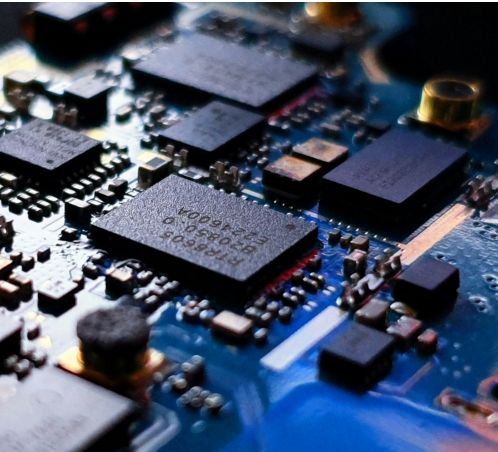








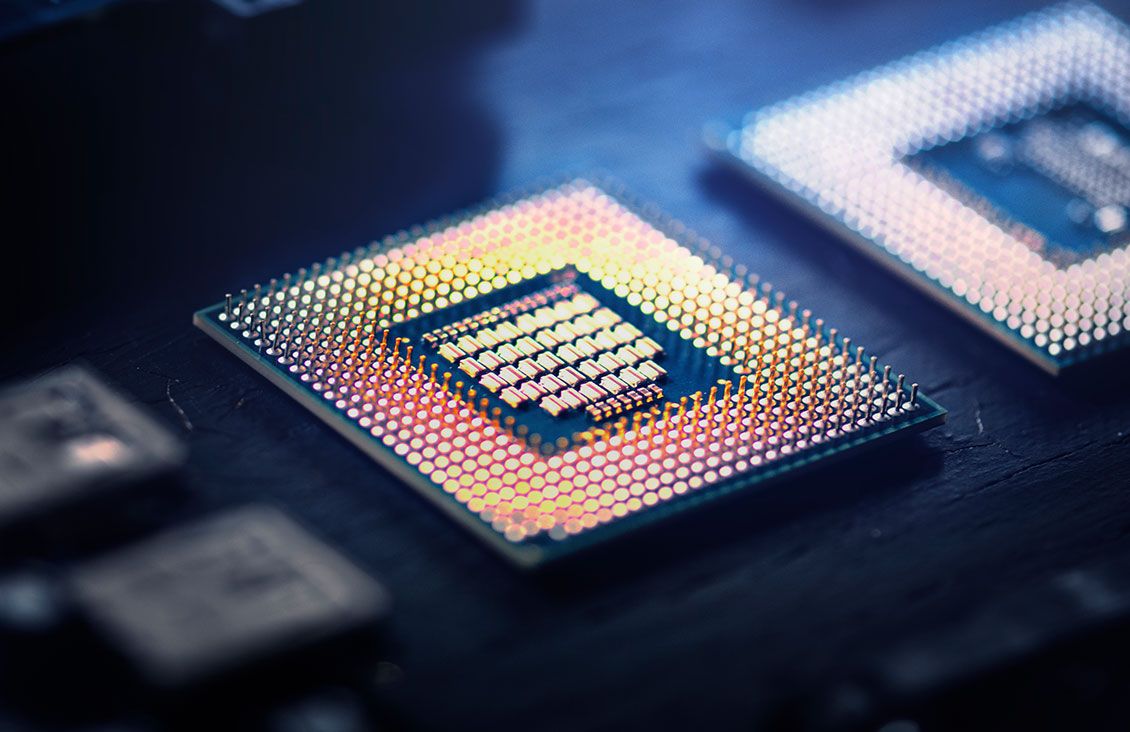
In electronics and semiconductor applications, electrical insulation is just as important as mechanical bonding. That’s where dielectric materials come into play. Epoxy adhesives with strong dielectric properties provide a reliable insulating barrier between conductors, preventing short circuits and protecting sensitive electronic components.
In this post, we break down the key dielectric properties of epoxies, how they are measured, and why they matter in high reliability applications.
What Is a Dielectric Material?
A dielectric material is an insulating medium that separates two conductors and prevents electrical current from passing between them. In practical terms, dielectric materials are used to:
- Create capacitors
- Provide insulation in multilayer circuits
- Encapsulate electronic components
- Prevent electrical shorts in semiconductor packaging
For epoxy adhesives, dielectric performance refers specifically to the electrical insulating characteristics of the material.
Epoxy Technology is also a DLA-approved military testing lab under MIL-STD-883H / Test Method 5011-5, which evaluates adhesive dielectric performance through standardized testing. Materials meeting this certification are considered strong candidates for high-reliability applications such as aerospace or military electronics.
The Four Key Dielectric Properties of Epoxies
Epoxy adhesives are typically evaluated based on four main dielectric properties:
- Volume Resistivity (VR)
- Dielectric Constant (Dk)
- Dissipation Factor (Df)
- Dielectric Strength
Each plays an important role in determining how well an adhesive performs as an electrical insulator.
1. Volume Resistivity (VR)
Volume Resistivity , conducted by ASTM D257, measures the electrical resistance through a material when voltage is applied for a specified time.
For insulating epoxies, typical values include:
- ≥ 0.1 teraohm-meter at 25°C
- ≥ 1.0 megaohm-meter at 125°C
Higher resistivity indicates better insulating performance.
2. Dielectric Constant (Dk)
Dielectric constant, measured by ASTM D150, measures a material’s ability to store electrical charge when used in a capacitor.
Typical epoxy values are:
- ≤ 6.0 at 1 kHz and 1 MHz
Because this value is a ratio, it has no units. In general:
- Lower Dk = better electrical insulation.
3. Dissipation Factor (Df)
Dissipation factor, also measured by ASTM D150, represents the amount of electrical energy lost as heat when the material is exposed to an electric field.
Typical values include:
- ≤ 0.03 at 1 kHz
- ≤ 0.05 at 1 MHz
Lower dissipation factors indicate more efficient electrical insulation.
4. Dielectric Strength
Dielectric strength describes the maximum electric field a material can withstand before electrical breakdown occurs.
As a rule of thumb:
- Insulating epoxies often provide ~500 volts per mil at 23°C
Example:
- A circuit requiring 1000 volts of insulation would typically require at least 2 mils of dielectric epoxy thickness.
Unlike the other properties, dielectric strength must often be validated within the actual application, since performance depends on geometry, thickness, and environmental conditions.
Factors That Influence Dielectric Performance
Dielectric properties can change based on environmental and operating conditions.
Temperature Effects
As temperature increases:
- Volume resistivity decreases (the material becomes less insulating)
- Dielectric constant increases
This occurs because higher temperatures increase molecular movement within the polymer structure.
Frequency Effects
Dielectric behavior also changes with signal frequency:
- As operating frequency increases, the dielectric constant generally decreases
- Lower dielectric constant values indicate stronger insulating behavior at higher frequencies.
Common Applications for Dielectric Epoxies
Dielectric adhesives are widely used in electronics and semiconductor packaging where reliable insulation is essential.
Typical applications include:
- Semiconductor flip-chip underfill
- SMD staking on PCBs and substrates
- Wafer passivation
- Glob top encapsulation over integrated circuits
- Copper coil impregnation
- PCB potting and encapsulation
All of these applications rely on strong dielectric properties to prevent electrical short circuits and maintain long-term reliability.
Examples of Dielectric Epoxy Products
Epoxy Technology offers several products designed for dielectric applications, including:
- EPO-TEK® 353ND – coil impregnation, SMD inductors
- EPO-TEK® 360 – flip chip and BGA underfill
- EPO-TEK® 730 – dielectric coating over ceramic substrates
- EPO-TEK® H70E – hybrid die attach and SMD bonding
- EPO-TEK® T7110 – PCB potting and encapsulation
These materials combine electrical insulation with structural, thermal, or optical performance, making them ideal for advanced electronics packaging.
Final Thoughts
Dielectric performance is a critical factor when selecting epoxy adhesives for electronic applications. Understanding the key properties—volume resistivity, dielectric constant, dissipation factor, and dielectric strength—helps engineers choose materials that protect circuits while maintaining long-term reliability.
When properly selected and validated, dielectric epoxies can provide the insulating barrier needed to keep complex electronic systems operating safely and efficiently.

Need help selecting the right dielectric epoxy for your application?
Contact our technical team at techserv@epotek.com or our Epoxies, etc. technical team at sales@epoxies.com.